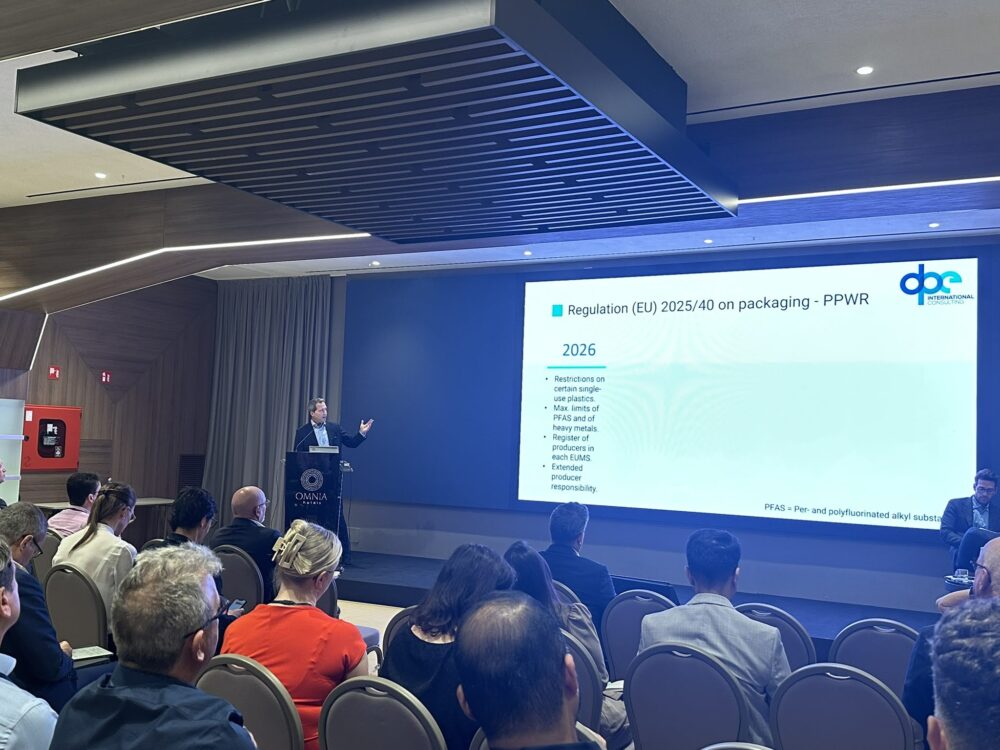
Will the United States beat the WHO to providing an influential definition of ultra-processed foods?

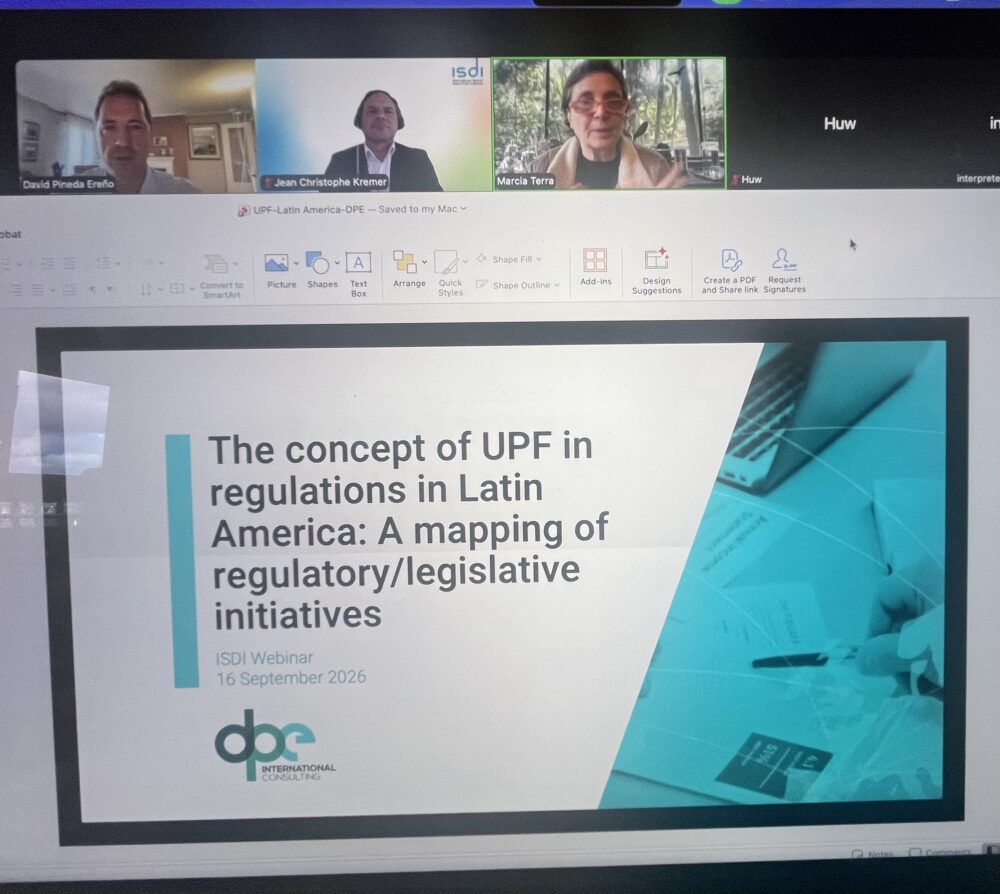
The WHO seems to be basing the preparation of its food profiling model and future guidelines for ultra-processed foods on the NOVA classification scheme. The NOVA system refers to Ultra-processed foods as those industrially created food products created with the addition of multiple ingredients and food additives to enhance taste and/or convenience of the product.

While the current United States Administration is expected to propose a definition of ultra-processed foods in the very near future, the US Senate is already debating the Childhood Diabetes Reduction Act – S. 5026 (https://www.congress.gov/bill/119th-congress/senate-bill/5026/text/is), introduced by Senator Bernie Sanders, which includes a definition of ultra-processed foods, establishes a front-of-package labelling system, and restricts food and beverage advertising.

The Bill defines ultra-processed foods as “a food, including a beverage, containing one or more industrial ingredients, including surface-active agents, stabilizers and thickeners, propellants, aerating agents and gases, color and coloring adjuncts, emulsifiers and emulsifier salts, flavoring agents and adjuvants, flavor enhancers, surface-finishing, high-intensity sweeteners, and other ingredients.”

Which definition do you think will come first?

Stay tunned for updates!

Codex debates again on ultra-processed foods


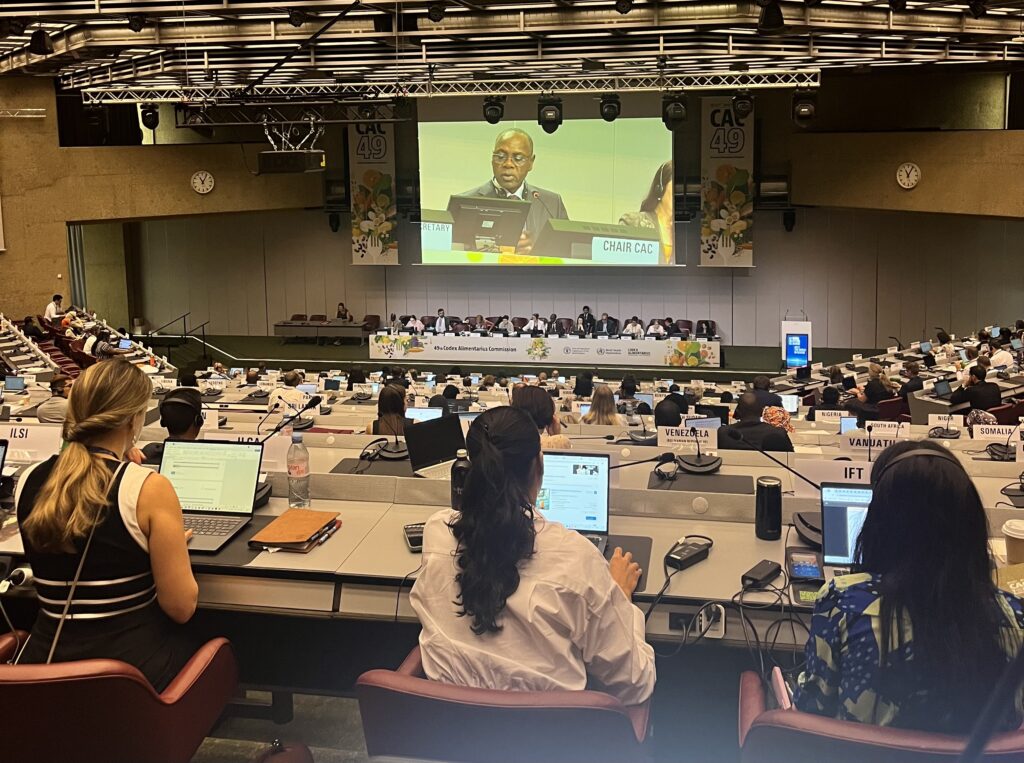
The World Health Organisation (WHO) presented an update on its work regarding ultra-processed foods (UPF) to the 49th Session of the Codex Alimentarius Commission (CAC49), held on 6-10 July in Geneva.

At the request of several member countries, the WHO clarified that it is:

– preparing a food profiling model for implementing regulatory measures on UPF, considering the NOVA classification scheme, to be published with questions and answers by the end of 2026,

– developing guidelines on UPF consumption on UPF consumption for 2028.

Codex Members emphasised the importance of transparency, scientific evidence and broad participation throughout the process for any future recommendations on the consumption of UPF.

The WHO further clarified that the guidelines development process was at an early stage and currently focused on establishing an expert group, highlighting that no final definition had been adopted yet.

Codex adopts international standards and discusses new food sources and production systems

This has been an amazing week reconnecting with colleagues and friends during the 49th Session of the Codex Alimentarius Commission (CAC49), 6-10 July in Geneva.

I had very engaging discussions with long-standing colleagues and new ones, resulting in ideas and plans for exciting new projects to help shaping regulatory frameworks in key regional and national markets, taking into account Codex standards and guidelines.

It is always so special to reconnect with people who are part of the Codex journey for years while making new connections.

CAC49 adopted key international standards and guidelines on:

– spices and culinary herbs;
– food higiene for fishery products and chicken meat;
– maximum residues limits of veterinary drugs in foods;
– the condicions of use of food additives in key food product categories;
– the use of precautionary allergen labelling (PAL), food labelling requirements relevant to joint presentation and multipack formats, or the application of food labelling rules in emergency situations;
– microbial omega-3 oils in food and food supplements (Step 5);
– among others.

In addition, an electronic Working Group was established to identify areas where CAC could elaborate guidance on New Food Sources and Production Systems (also known as novel foods) and prepare a report with a new work proposal for next year.

Last but not least, CAC49 discussed again the work underway by the World Health Organisation (WHO) on ultra-processed foods (UPF), considering its intent to recommend regulatory measures on UPF, taking into account the NOVA classification. The outcome of the WHO work will be relevant to further future Codex discussions on UPF.

The Codex Alimentarius Commission (CAC) serves as the leading international body for the development of science-based food standards, bringing together governments, scientific experts, international organizations, consumer groups, academia, and representatives from the private sector in a transparent and inclusive standard-setting process.

Collaboration between the public and private sectors, the academia and consumer groups is a fundamental component of the Codex system that strengthens the quality and applicability of Codex standards to existing food commodities and new foods resulting from innovative technologies.

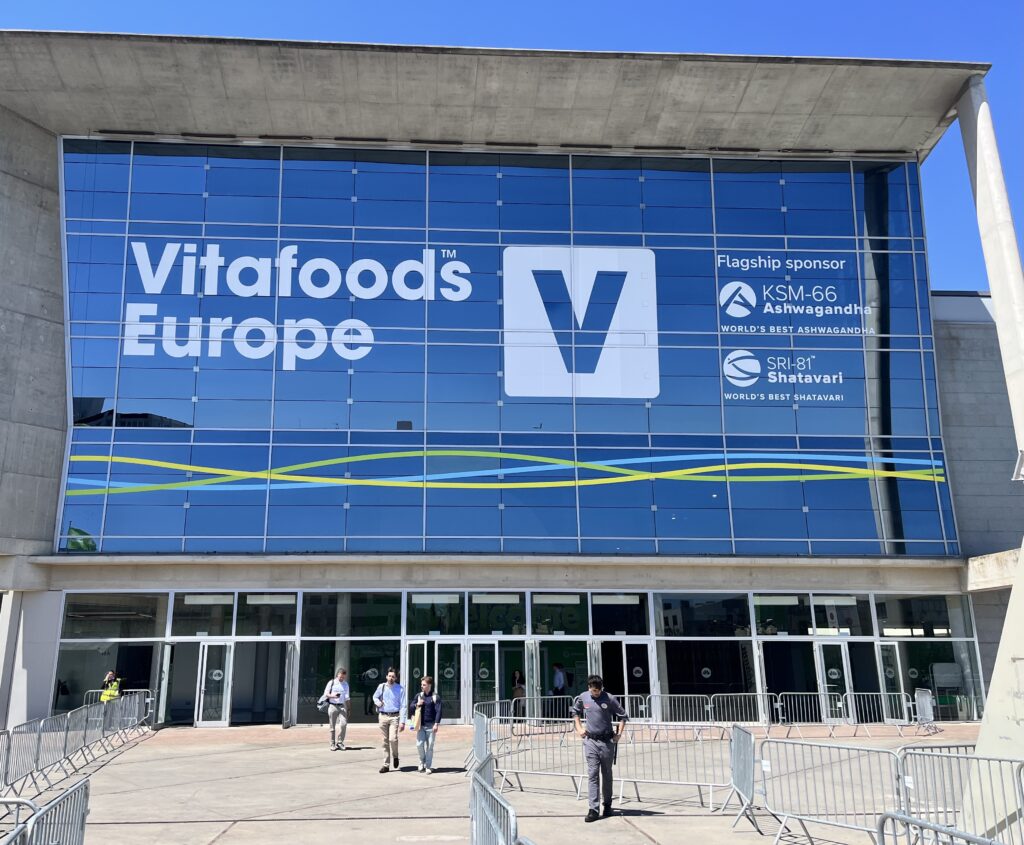
Vitafoods Europe 2026 shines once again in Barcelona

I thoroughly enjoyed reconnecting with colleagues and friends at Vitafoods Europe 2026 and the Nutraingredients Awards Europe event this week in Barcelona, ??the world’s leading nutraceutical events for food and food supplements.

It was a week packed with key discussions and plans for exciting projects in this dynamic sector. Vitafoods is always buzzing with energy and enthusiasm! Congratulations to all winners at this year’s Nutraingredients Awards Europe!

Providing global regulatory trends on the use of probiotics and prebiotics in foods and food supplements

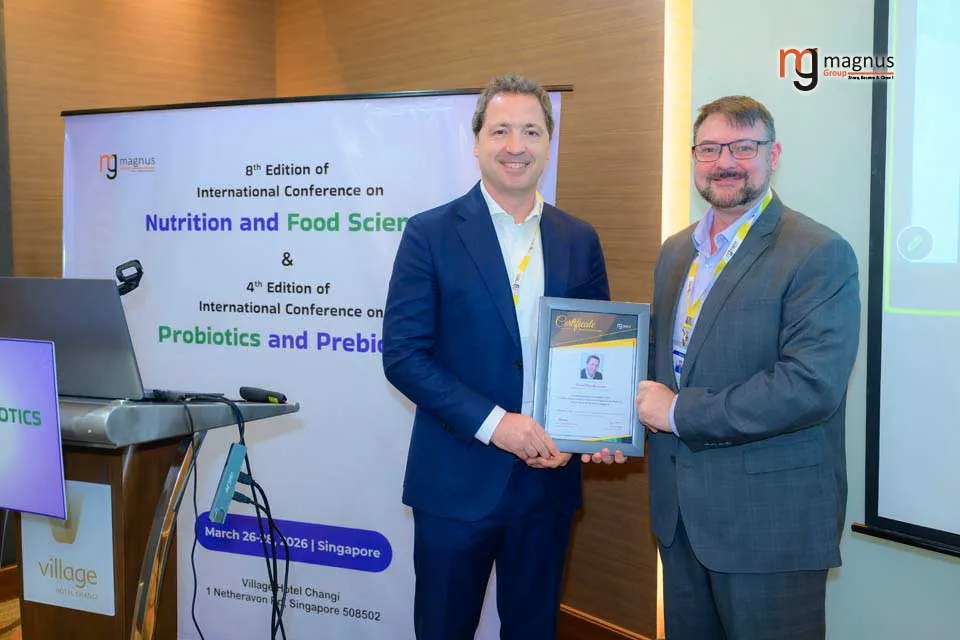
During my recent trip to Singapore, I was invited to give a presentation on Global Regulatory Trends on the Use of Probiotics and Prebiotics in Foods and Food Supplements coinciding with scientific experts such as Jason Ryan.

We discussed how to navigate the current regulatory framework for probiotics, prebiotics, and postbiotics, and addressed future opportunities with next-generation probiotics, among other topics.

Stay tuned for upcoming regulatory updates on biotics!

Presenting the latest Codex developments impacting the global omega-3 market at the GOED Exchange 2026

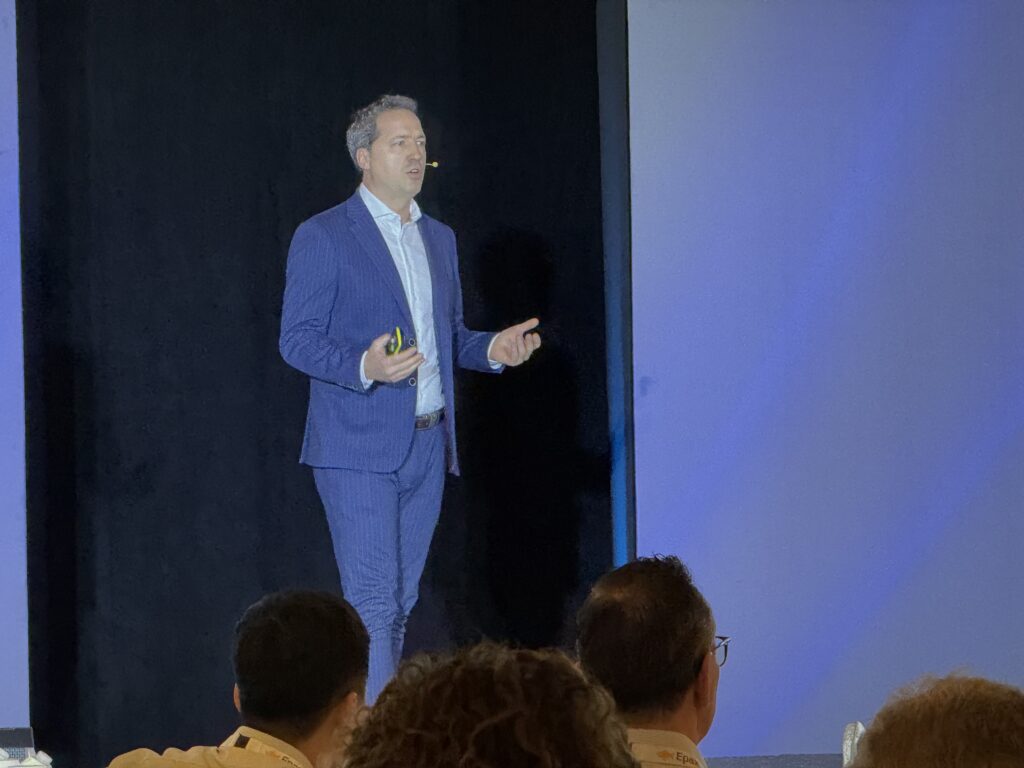
Delighted and honoured for giving today a presentation on the latest Codex developments impacting the global omega-3 market at the GOED Exchange 2026, which is being held this week (17-19 March) in Singapore.

Great pleasure to share stage with Patrick Kalona and Harry Rice !

GOED Exchange 2026 brings together leaders from across the EPA and DHA omega-3 supply chain to discuss science, regulation, sustainability and market trends shaping the future of omega-3s.

I am very grateful to GOED Omega-3 for the opportunity to participate in this year’s GOED Exchange!

Codex Committee on Fats and Oils discusses microbial omega-3 oils

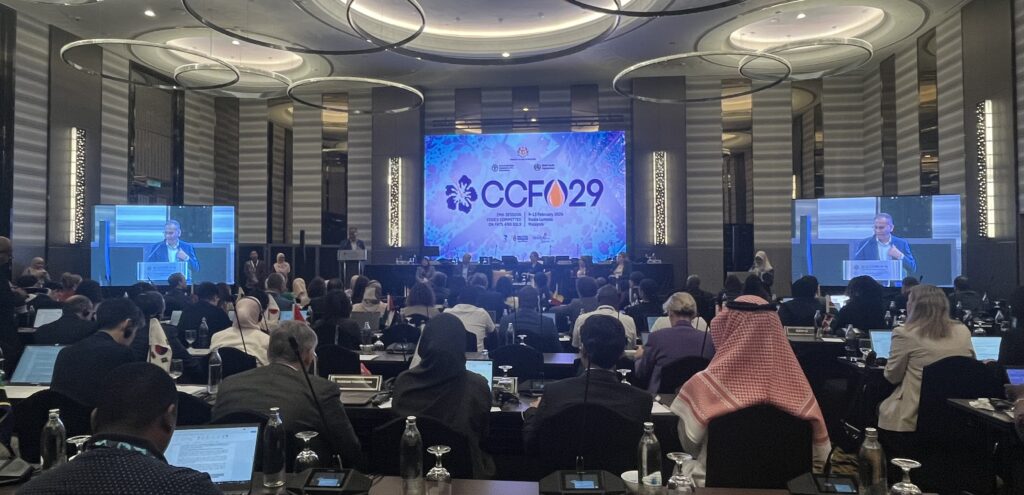
The 29th Session of the Codex Committee on Fats and Oils (CCFO29) is taking place this week, on 9-13 February, in Kuala Lumpur, to discuss key issues impacting food and food supplements.

This includes revisions to Codex standards on fats and oils to reduce trans-fatty acid (TFA) intake, the proposed draft Standard for Microbial Omega-3 Oils, among others.

The meeting is being attended by 150 delegates from 51 Codex members and 7 observer organisations.

Stay tuned for developments!

Questions?


About


DPE International Consulting is an international consultancy that provides strategic and regulatory advice to companies, trade associations and government bodies on the policy and regulation of foods, beverages and other nutritional products.

Services


Strategic Advice
Regulatory Advice
Trade Associations Support
Trainings & Workshops

All rights reserved | Legal notice and privacy policy | Cookie policy

Privacy Settings
We use cookies to enhance your experience while using our website. If you are using our Services via a browser you can restrict, block or remove cookies through your web browser settings. We also use content and scripts from third parties that may use tracking technologies. You can selectively provide your consent below to allow such third party embeds. For complete information about the cookies we use, data we collect and how we process them, please check our Privacy Policy
Youtube
Consent to display content from - Youtube
Vimeo
Consent to display content from - Vimeo
Google Maps
Consent to display content from - Google